
Beyond the Shipwreck: Transforming the Global Migrant Phenomenon
Originally published by Vatican News, reprinted here is an excerpt: read the full version online at www.VaticanNews.va.
By Fr. John Lydon, O.S.A.
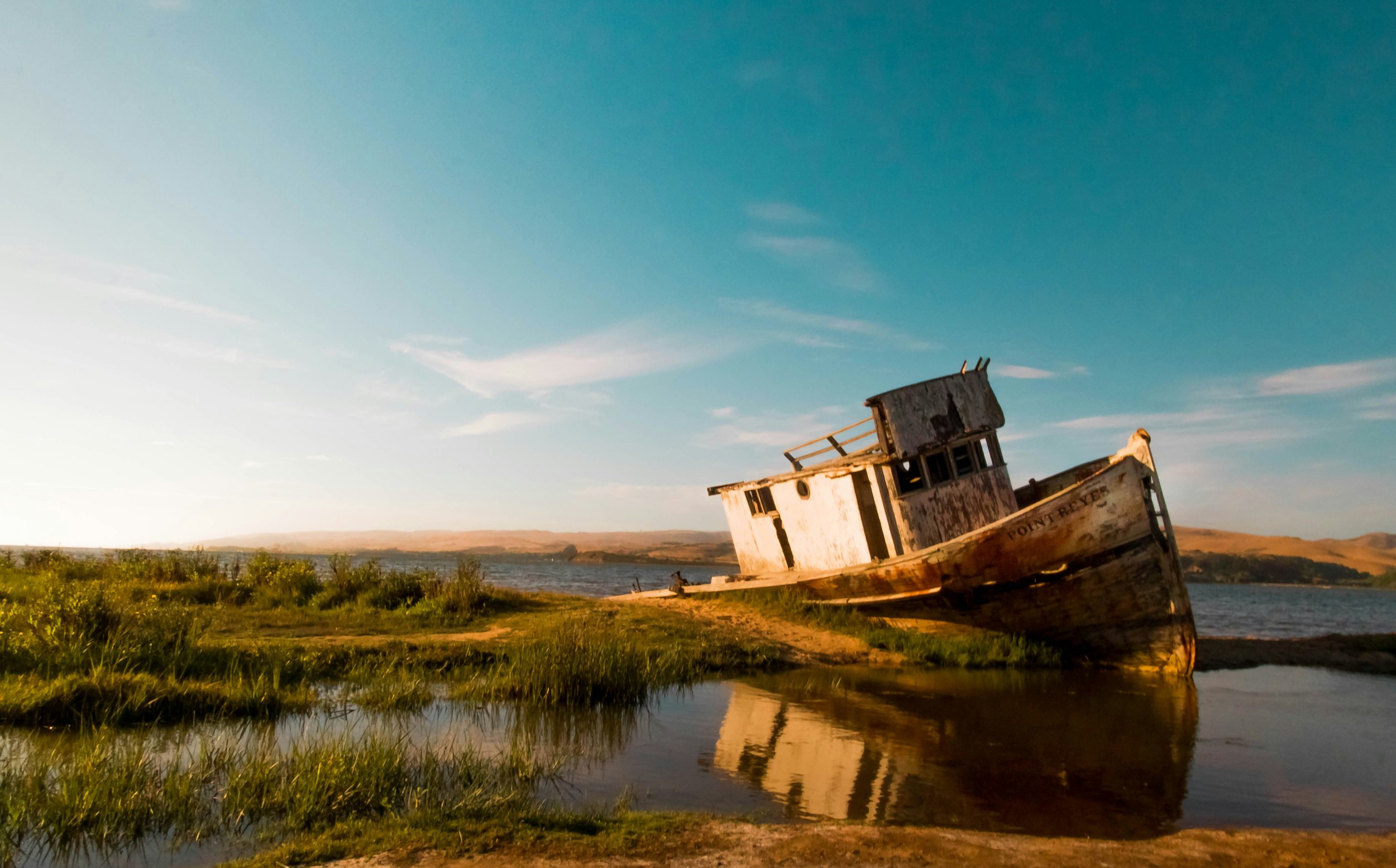
Looking at Pope Leo’s short pontificate to date, we can easily see some of the central concerns that arise as he reads the “signs of the times”, and help the Church discern God’s wisdom in responding to those challenges.
One of these is the Migrant and Refugee Crisis, which has often become a political lightning rod in many countries of Europe and North America. The Pope’s message is a direct critique of the present-day, ever-narrowing perspective of how to respond to this global phenomenon.
His recent visit to the Canary Islands, his visit on July 4 to Lampedusa, and his recent visit to Mother Cabrini’s birthplace, all point to the importance this issue has in his vision of the gospel’s mandate for the Church.
It is his visit to the Canary Islands that was his most extensive sign to date about his challenging the public rhetoric around the issue of migrants and refugees.
The Pope said that we must address the "silent shipwreck that occurs after arrival: being left alone in a city, without a voice, without ties, work or a sense of security, and exposed to those who take advantage of vulnerability."
It is tempting to respond only by managing emergencies as they surface. However, we cannot limit ourselves to temporary fixes; we need compassionate systemic change. We need to look at and alleviate the causes of migration, and then treat with compassion those that arrive whose faces reflect the very face of the suffering Christ.
Below the surface of the images of arriving migrants are the complex causes that need to be addressed. Below the popular political discourses against migrants, we need to go deeper and look at the fear that drives us to responses far from what is asked by our faith.
As the Pope powerfully reminded us in his visit to Tenerife, Canary Islands: "a human conscience, and even more so a Christian conscience, cannot remain indifferent in the face of these graveyards of the sea. Every life lost on these routes is a failure for the human family."
In his encyclical Magnifica humanitas, Pope Leo XIV provides the moral compass for this transformation. He states, "A litmus test for social justice today is the treatment of migrants, refugees and those forced to move due to poverty, violence, climate change and environmental disasters. The way a society treats them reveals whether its sense of justice is driven by fear or by the spirit of fraternity" (Magnifica humanitas).
Convinced that academic institutions have a moral imperative to join together, to become a “constellation of hope” as the Pope has stated, means that we have to look together to address the causes of migration and the best way to integrate migrants into their new homes. We need to be moved to action by the “cry” of those who suffer.
We saw it embodied in the Canary Islands through testimonies like that of Ousman Umar, who survived a brutal five-year trek through eight countries, crossing the desert and sea starting at just 12 years old, watching the vast majority of his companions perish along the way. Today, with an MBA, he leads an NGO that promotes educational and economic opportunities in his home village in Ghana, so that other youths do not feel forced to risk their lives by migrating.
By bringing together academics, NGOs, migrants and building partnerships, we strive to build the bridges of dialogue that can result in changes that promote the integration of migrants into society, and that their presence is seen as a blessing for all concerned.
Building those bridges in an integrated way is a particular gift universities and partners can provide. The challenge before us extends well beyond the shores of the Canary Islands.
While Tenerife is currently an epicenter of pain, the shipwreck of human dignity occurs daily across all borders of our common home. The solution to this global crisis will not be achieved through fragmented efforts but by mobilizing a worldwide community united by co-responsibility.
We all share the noble and necessary task of dismantling prejudice and designing the systemic bridges that will lead us to a more just and inclusive future.
As the Pope commanded in his parting words in Spain: "Lift up your gaze! Yes, let us turn our eyes to Christ Crucified... and guided by Mary, let us continue our journey with hope!"
Our work to transform the present conditions and mindsets into a better future for migrants, refugees, and indeed our entire society has only just begun.